
01
Channel creation and placement progress together
The implanter pen enables controlled placement of the hair follicle into the recipient area.

We plan every stage, from hairline design to graft placement, according to your facial proportions and donor area.
The DHI implanter pen supports direct graft placement into the recipient area according to the established plan.
Consultation, procedure planning and post-treatment checks progress through a connected and structured clinical pathway.
Every area, from the consultation room to the treatment suite, supports patient privacy and team coordination.
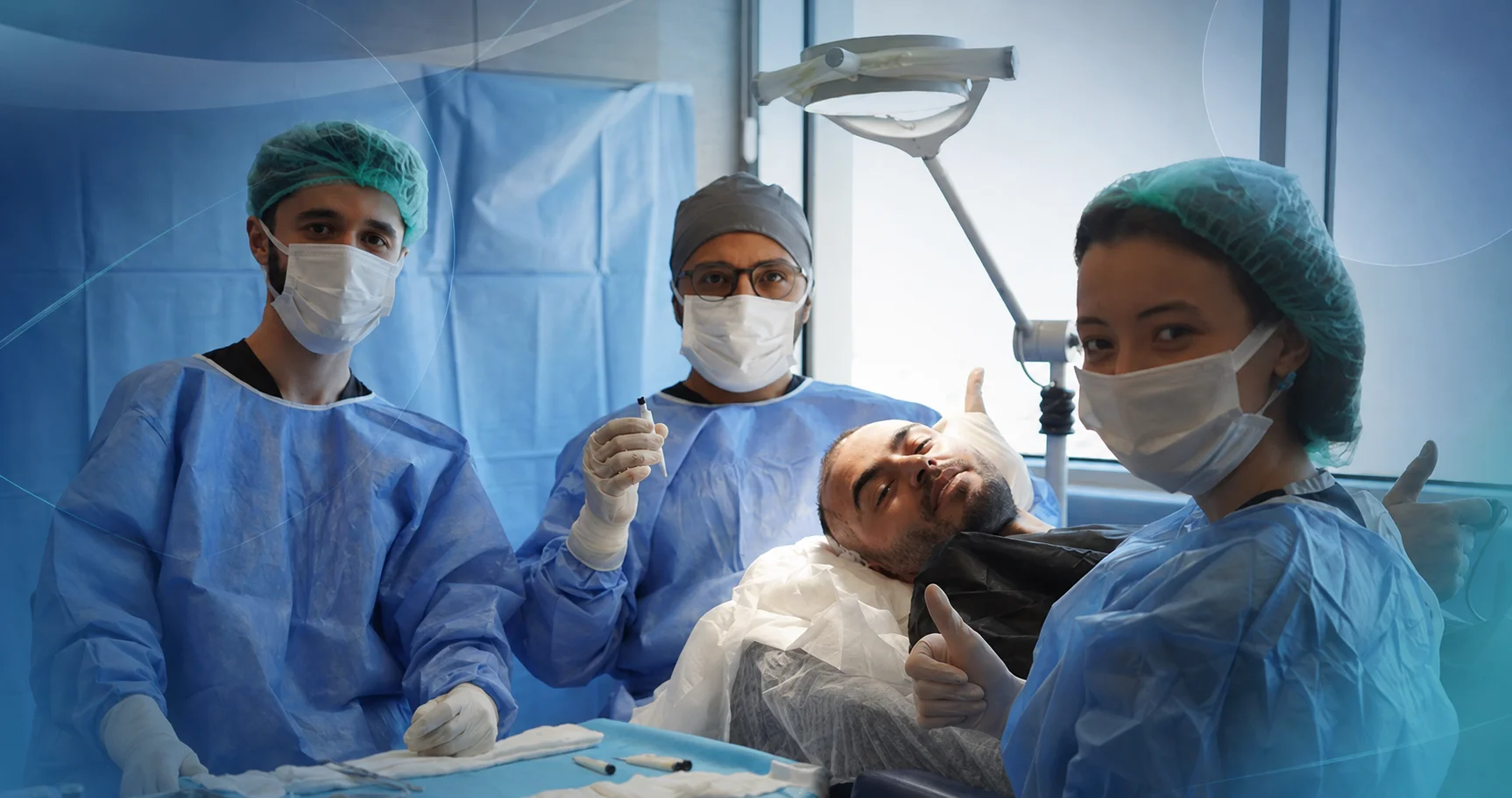
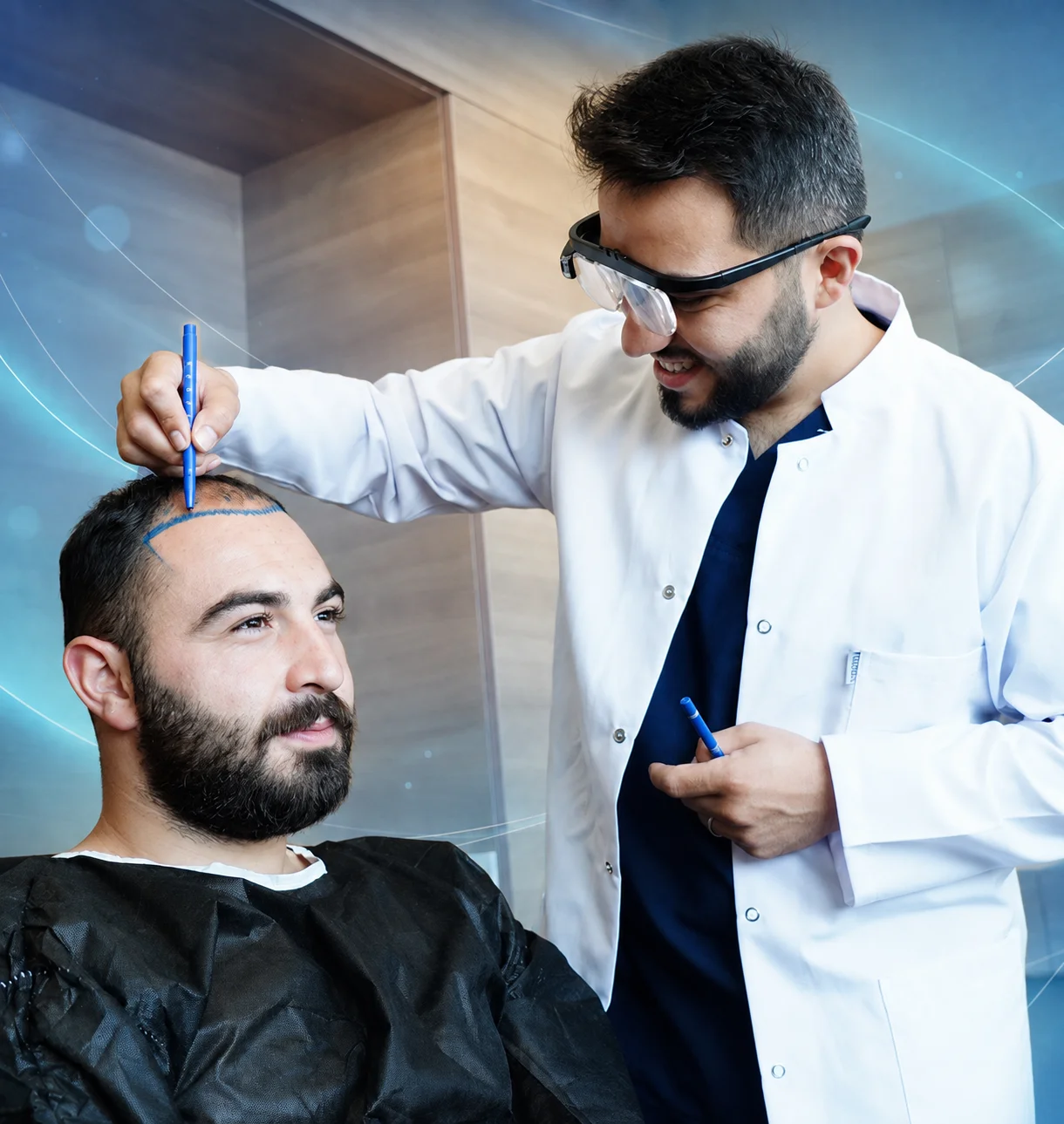
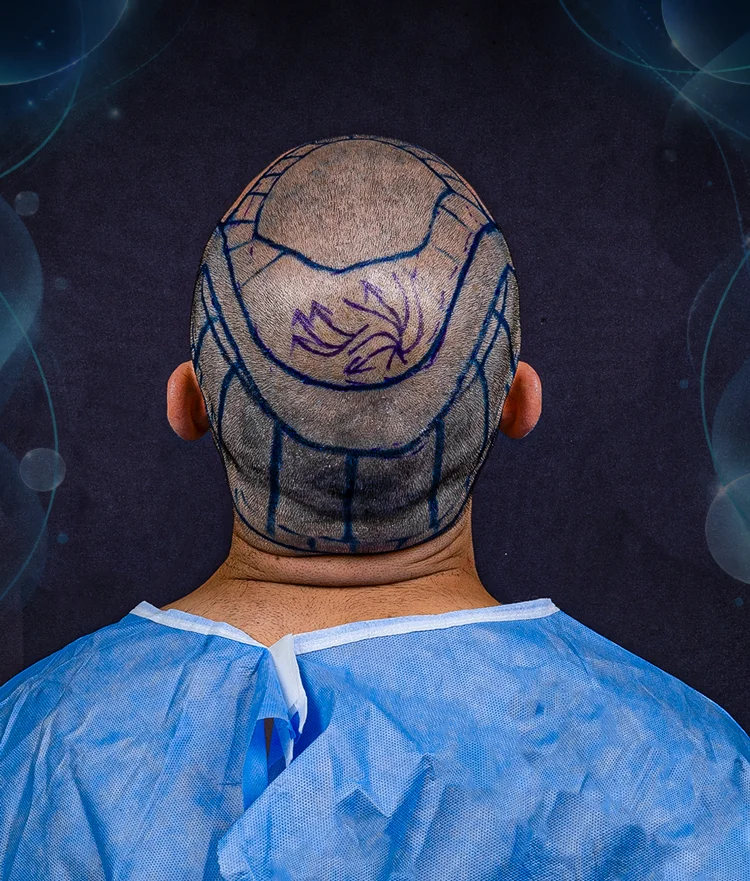
DHI hair transplant is an approach in which extracted grafts are placed directly into the planned area using implanter pens.
The implanter pen enables controlled placement of the hair follicle into the recipient area.
The placement plan considers the growth direction of existing hair and the intended appearance.
The frontal hairline, mid-scalp and crown are assessed with different density goals.
Donor management, graft preparation and placement planning are assessed as connected parts of one process.
Hair follicles are not extracted solely to meet a numerical target. Extraction spacing and regional density are planned to preserve the donor area's appearance.
The extracted follicular units are classified by structure. Suitable graft groups are separated for the hairline and higher-density areas.
Each graft is placed in the target area according to the hairline design and natural flow of the existing hair.
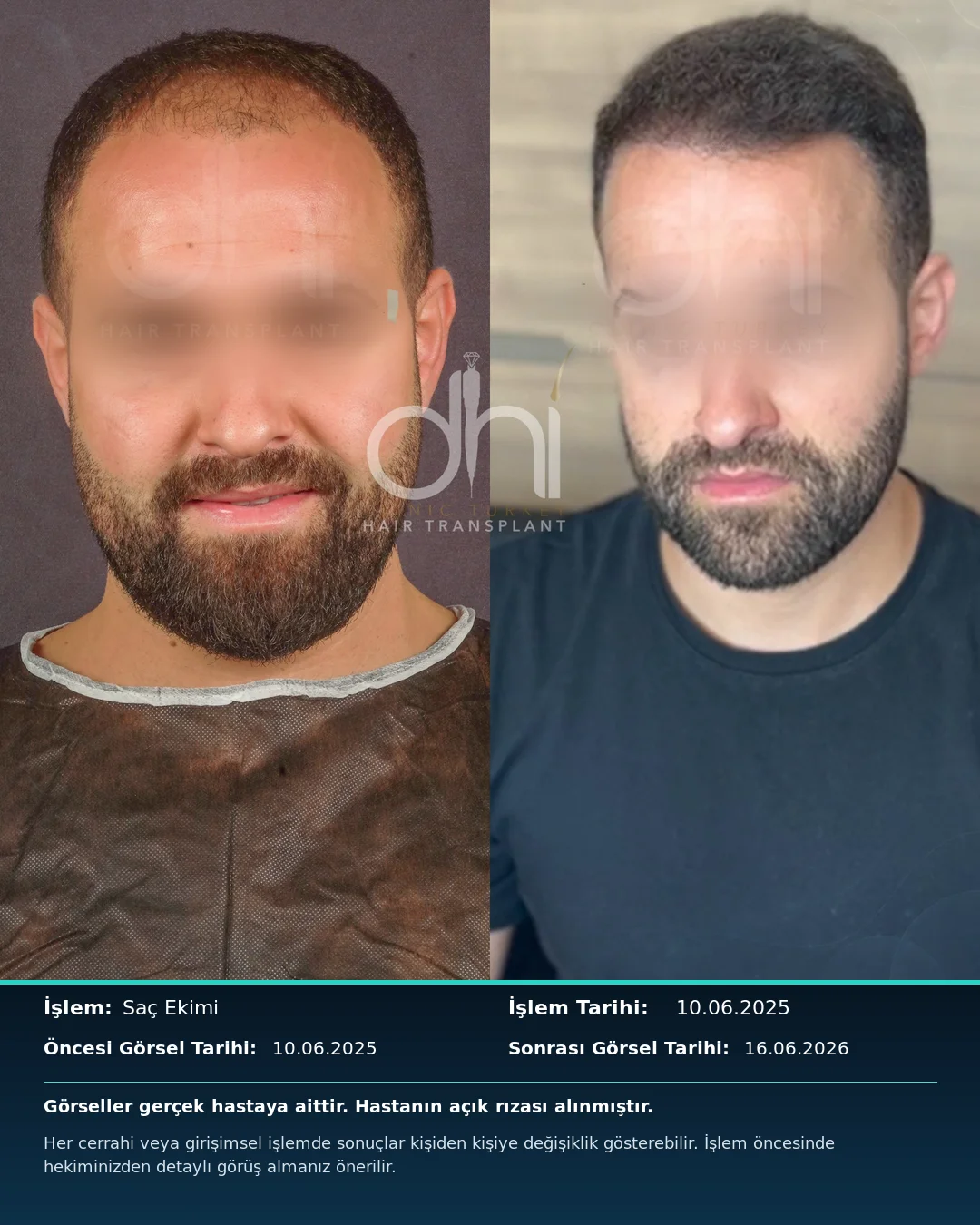
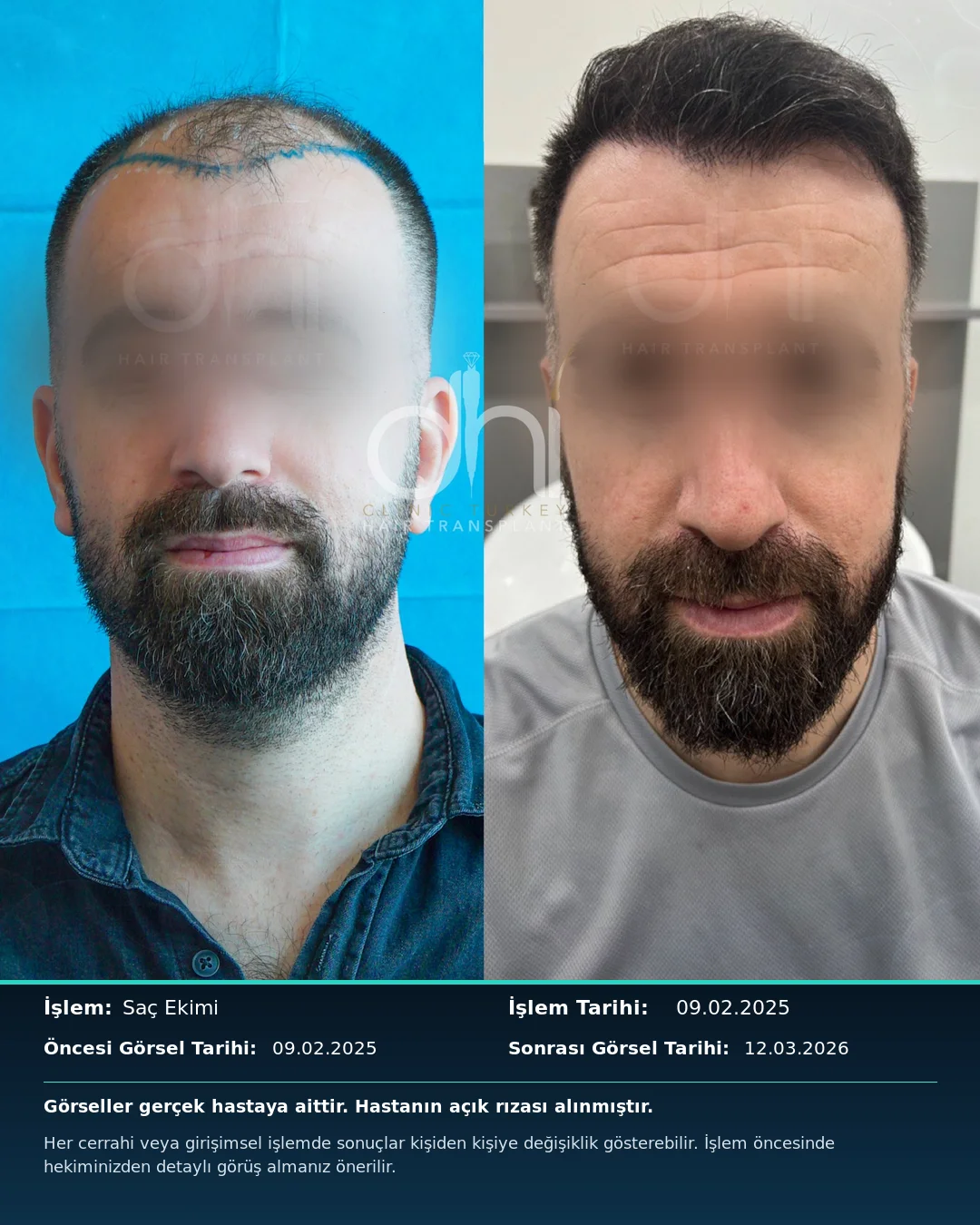
Review hair transplant before and after results through comparison images presented within the same frame.
Results may vary from person to person with every surgical or invasive procedure. A detailed medical consultation is recommended before treatment.
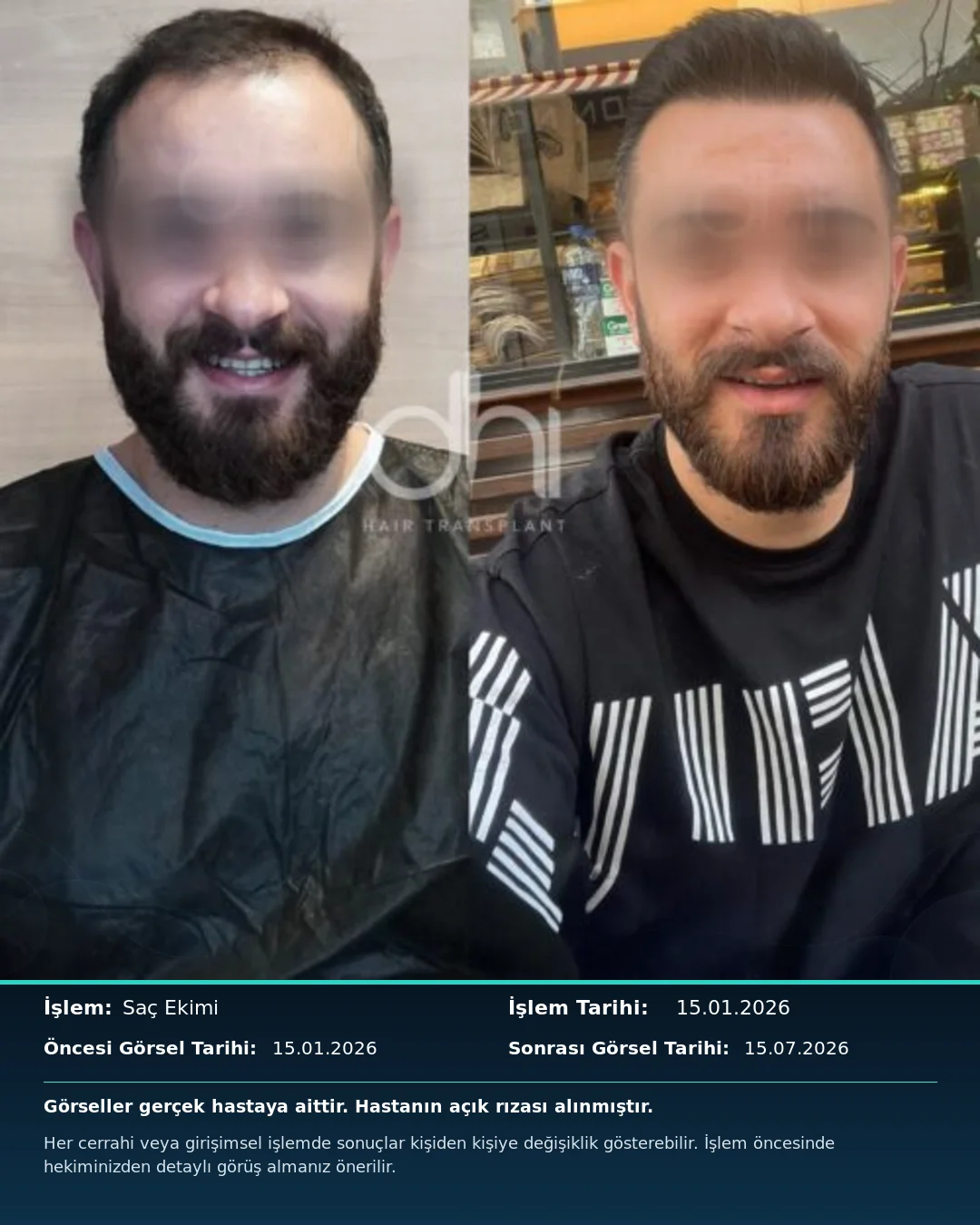
Explore selected clinical images from our consultation, hairline planning and treatment processes.
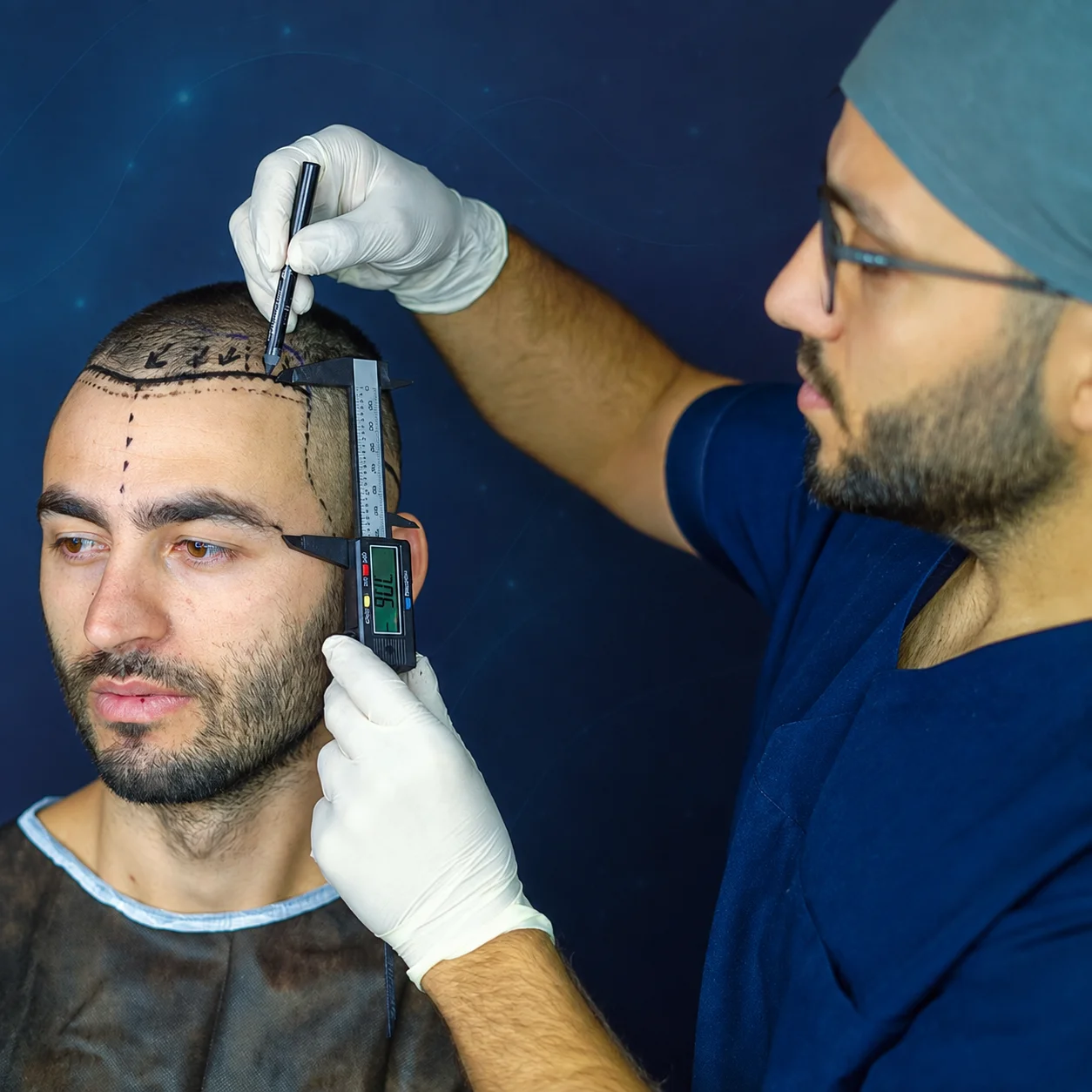
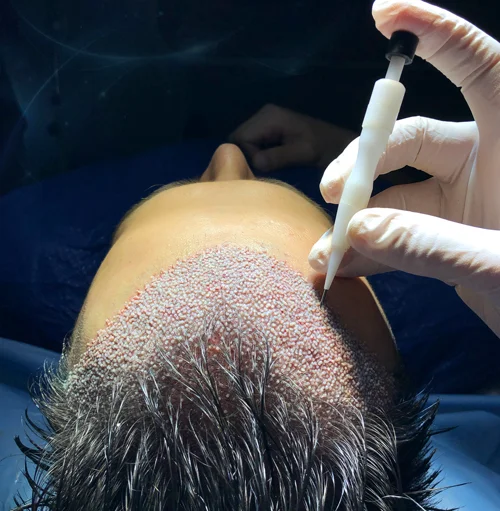
Each stage follows a measured and clear plan that supports the next step.
Photos and essential health information are reviewed.
The donor area and pattern of hair loss are examined closely.
A design suited to facial proportions is finalised together.
The planned follicles are extracted evenly from the donor area.
Grafts are placed according to the established angle and direction plan.
Washing, recovery and follow-up steps are explained.
Your donor area and hair loss pattern are key factors in selecting the technique and planning possible graft distribution.
DHI hair transplant is a method in which extracted hair follicles are placed directly into the recipient area using an implanter pen. With this approach, the hairline, graft distribution and direction of existing hair are planned together. The procedure begins with the extraction of suitable follicular units from the donor area. The team sorts the grafts by structure and prepares them for placement. Implanter pens help place the grafts at the planned angle and depth. Suitability for the method does not depend solely on the extent of hair loss. Donor capacity, hair shaft thickness and expectations also determine the scope of the plan.
DHI hair transplant may be considered for suitable candidates who have enough healthy follicles in the donor area. A receding frontal hairline, regional thinning or improvement of a previous transplant may be addressed during planning. The cause and progression rate of active hair loss directly affect the treatment decision. Therefore, assessment considers more than the size of the thinning area. Scalp condition, current medications and existing health conditions are also reviewed. A realistic plan prioritises the long-term preservation of the donor area. The desired coverage and hairline expectations are clarified during the consultation.
The first days after DHI hair transplant focus on protecting the recipient and donor areas. The clinical team explains when to perform the first wash and which care products to use. Redness, sensitivity and scabbing may occur during the early period. Scabs should not be removed outside the recommended care routine. During the first weeks, protect the recipient area from friction, intense sunlight and impact. Temporary shedding of transplanted hairs may occur. New growth develops gradually, so early appearance does not represent the final result. Planned reviews support regular monitoring throughout recovery.
Istanbul brings transport connections, healthcare infrastructure and international patient coordination together for DHI hair transplant. The consultation and follow-up schedule matter as much as the procedure day itself. DHI Clinic Turkey organises the assessment process around the patient's travel plan. Airport transfers, length of stay and follow-up appointments can be clarified in advance. Clear communication helps international patients understand their medical plan correctly. When choosing a clinic, verify its health tourism authorisation, treatment environment, supervising physician details and follow-up model.
Review essential information about the method, shaving options and results timeline before your consultation.
Send Your QuestionIn suitable cases, DHI may be planned with partial shaving or without shaving the recipient area. The donor extraction pattern and target graft count determine the shaving approach.
In both approaches, grafts may be extracted individually from the donor area. With DHI, placement is performed using an implanter pen that holds the graft.
New hair growth develops gradually, and the early appearance does not show the final result. Changes become clearer over several months, while maturation continues at an individual pace.
The graft target depends on donor capacity, the treatment area, hair characteristics and a safe procedure duration. Balanced distribution and donor preservation take priority over a high number.
Current medications, chronic conditions, allergies and previous surgical procedures should be disclosed fully. This information is important for treatment safety and preparation planning.
Send your photos so we can prepare a preliminary assessment based on your donor area, hair loss pattern and expectations.